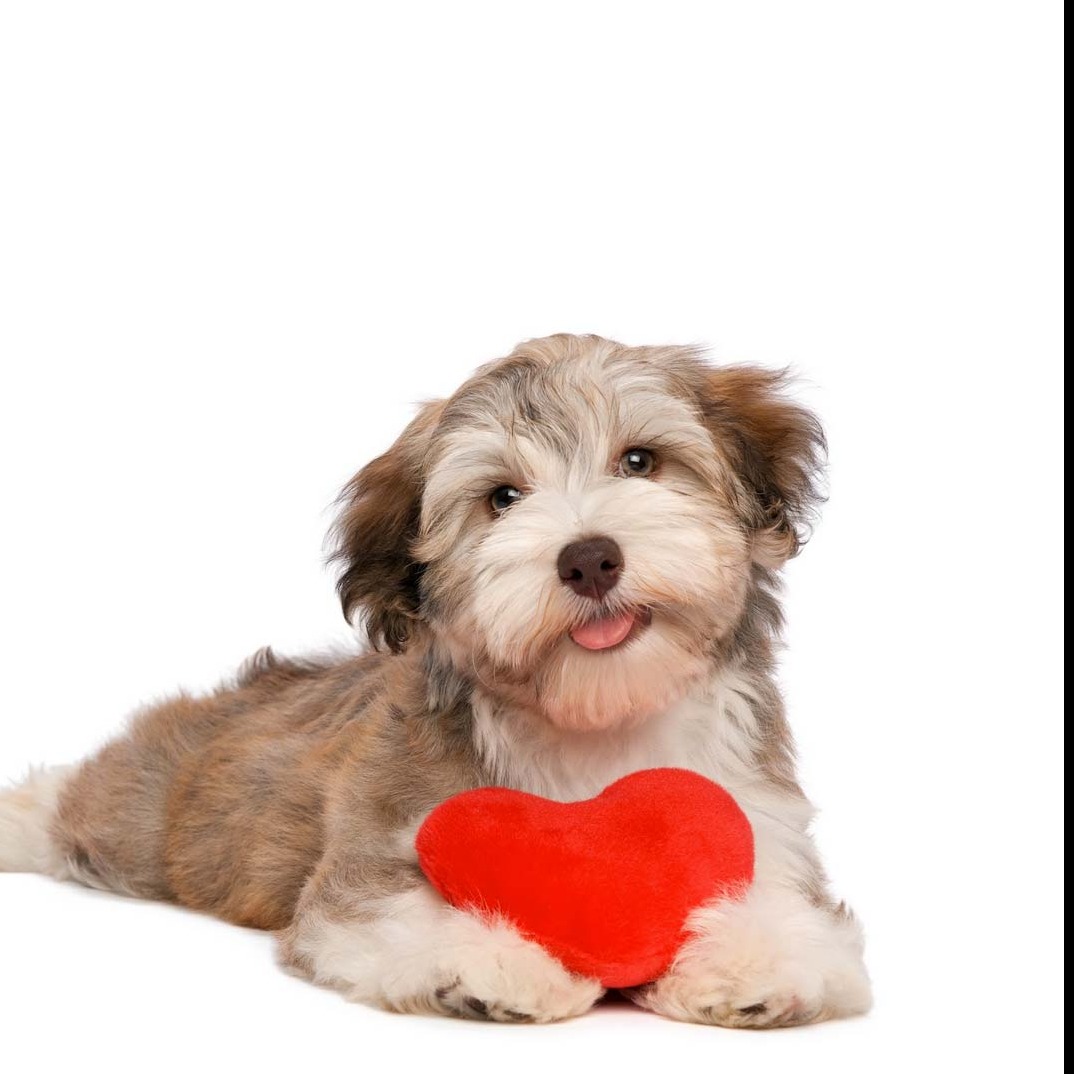



Why Your Dog's Hiccups Are More Common Than You Think
If you’re a dog owner, you may have chuckled at the sight of your pup hiccupping, perhaps barking at the strange noise that interrupts their play. The phenomenon, while amusing, often leaves pet parents wondering why their furry friend keeps hiccupping and when it might become a concern. In this article, we delve into the science behind dog hiccups and share practical insights into how to manage them.
The Science Behind Hiccups
Much like humans, dogs experience hiccups due to spasms in their diaphragm — the muscle that helps in breathing. When this muscle undergoes an involuntary contraction, air is forced in a manner that produces that characteristic “hic” sound. According to veterinary experts, it’s not uncommon for puppies to have hiccups during playtime or after eating, as their mischievous nature often leads to gulping air. Interestingly, hiccups can even start before birth, helping developing puppies exercise their respiratory muscles while in the womb.
Common Triggers for Canine Hiccups
Dogs may start hiccupping from a variety of causes that mirror those found in humans. Rapid eating, excitement, stress, or even exposure to sudden temperature changes can spark this lighthearted yet curious condition. Puppies are particularly prone to hiccups, often seen darting around or falling asleep with hiccups. Veterinarians suggest that hiccups can sometimes indicate underlying health issues, particularly if accompanied by other symptoms like drooling or vomiting.
When to Worry: Signs of Serious Hiccups
Most hiccups last only a few minutes, and unless they're making your dog visibly uncomfortable, they’re typically not a cause for concern. However, keep an eye on your dog's behavior and look for red flags. If hiccups persist beyond a couple of hours or are associated with abnormal behaviors like lethargy or excessive drooling, it's time to consult your veterinarian. Some serious health issues may manifest in this way, such as pneumonia or heart conditions.
How to Help Your Hiccupping Pup
You can help soothe your dog when they’re experiencing hiccups through several gentle methods. Offer them a small drink of water to calm the hiccups; however, ensure they drink slowly to avoid choking. Engaging them in a quiet game or a light belly rub can distract them from the spasms, promoting relaxation which may extinguish the hiccupping spell. Additionally, adjusting feeding practices can prevent future episodes: breaking meals into smaller portions and using puzzle feeders can help slow down their eating process.
Preventing Hiccups: Tips for Dog Owners
Here are some simple strategies to help minimize hiccups in your dog: • Avoid feeding high-starch or grain-heavy meals that can upset your dog's digestive system; • Provide smaller, more frequent meals to discourage quick eating; • Use specially designed bowls to slow down fast eaters; • Ensure your dog remains calm during feeding times to reduce excitement and potential hiccups.
Witty Insights: Embracing Hiccups as Part of Dog Life
While hiccups can sometimes be bothersome, they are also a reminder of the quirky personality traits that make dogs so endearing. Hiccups often provide moments of laughter and lightheartedness as your dog interrupts play with sudden jumps and curious barks. Embracing these humorous moments fosters deeper connections between pet and owner, reinforcing the joyous bond we share.
In conclusion, while hiccups in dogs are typically harmless and often amusing, attention should be given when they persist or are accompanied by other concerning symptoms. By understanding the biology behind canine hiccups and using practical solutions to manage and prevent them, you can ensure a happier, healthier life for your furry friend.
Join our community of dog lovers to keep up with more tips on pet care and management. Sign up for our newsletter today!


Write A Comment